


Does car insurance cover theft?
Updated March 5, 2026 . AmFam Team
Updated March 5, 2026 . AmFam Team
Imagine stepping outside to start your day — only to find your vehicle isn’t where you parked it. No one wants to experience that heart-stopping moment when you realize you’ve been the victim of car theft. But here’s the good news: If you have comprehensive coverage on your auto policy, you’re most likely protected.
At American Family Insurance, we offer comprehensive coverage that helps cover the cost of a stolen vehicle, stolen car parts, or damages that occur during a break-in. Want to know more about theft and car insurance? Let’s take a closer look at how this important protection can help get you back on track if your vehicle is stolen.
Wondering what types of theft comprehensive insurance covers? This chart sums it up:
Event | Covered* |
|---|---|
Stolen car | Yes |
Stolen tires or hub caps | Yes |
Damaged locks in a failed theft | Yes |
Vandalized vehicle | Yes |
Broken windows due to theft | Yes |
If your car or its parts are stolen, comprehensive coverage can help pay for repairs or replacement — less your deductible and up to your policy’s limit. Understanding these features of your insurance will help if you ever need to file a claim.
This is the amount you pay out of pocket toward a covered claim before your insurance company steps in. You choose your deductible amount when you purchase your policy.
This is the maximum amount your insurance company will pay for a covered claim. Usually, your comprehensive coverage limit is the depreciated or actual cash value of your vehicle.
Let’s say your vehicle’s depreciated value is $12,000, and you have a $1,000 comprehensive coverage deductible. If your vehicle is stolen and your claim is approved, you could receive $11,000 — which is the actual cash value of your vehicle ($12,000) minus the deductible ($1,000).

If the unexpected happens, here are a few steps you should take to help get things back in order:
If you discover your car is missing, file a police report as soon as possible. This is necessary for your insurance claim and may help in recovering your vehicle.
Next, let your agent know your car has been stolen and share the police report details.
You can do this over the phone or online, but do it ASAP. If you need help, your agent can assist you with any aspect of filing your claim. Here’s what you’ll need:
If you had credit or debit cards in your car when it was stolen, call your bank to put a freeze on your credit and head off any fraudulent charges.
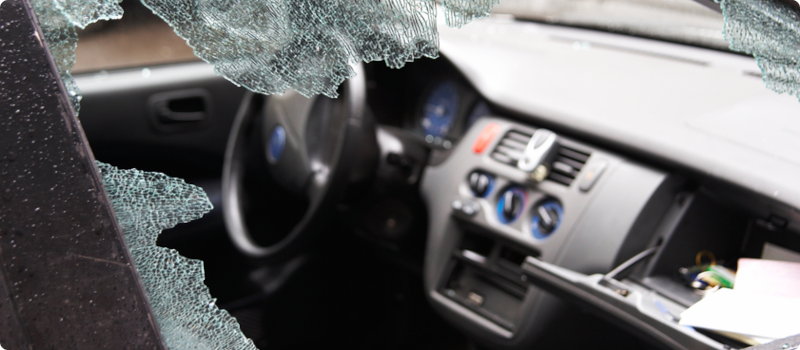
Typically, comprehensive coverage can help pay for damage done to your vehicle during a break-in, up to your coverage limits. If the cost of repairing your car is less than your deductible, you may choose not to file a claim.
Example: You have a $1,000 comprehensive deductible. One day, you leave work to find someone has smashed the driver’s side window and broken into your car. The average cost to replace the window is between $250 and $450. In this case, it doesn’t make sense to file a claim because the cost to repair your vehicle is lower than what you’d pay for your deductible.
Your comprehensive policy covers up to $200 for personal property stolen from your vehicle. For higher-value personal items stolen from your car, your homeowners or renters insurance may help and can even offer higher limit options to meet your needs. Check with your agent for policy details.
If only parts of your car — like tires or a catalytic converter — are stolen, comprehensive coverage can help pay for replacements up to your policy limits. As long as your deductible is lower than the cost of replacing the stolen parts, your insurance can help lower your out-of-pocket expenses.
While insurance helps you recover, prevention is always best. Here are some tips to avoid car theft:
Lock your doors and take the keys. A quick run into the store can be all the time a thief needs to steal your vehicle. Even warming your unlocked car in front of your home in the winter can be an invitation.
Pay attention to parking. Choose well-lit areas with lots of foot traffic, so your vehicle is a less appealing target. Paying a couple dollars more to park in a secure lot versus a dark street may be worth it.
Hide your valuables. Leaving your purse, wallet, electronic devices, or other valuables within sight could be irresistible to a passing thief. Lock items in your trunk or glovebox to deter a break-in.
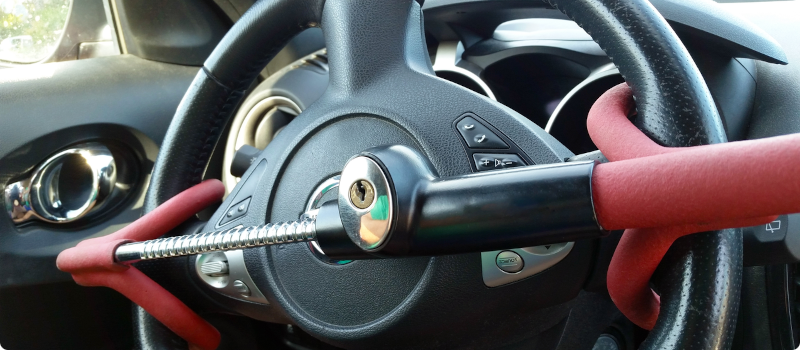
Consider anti-theft devices. There are many effective theft-prevention devices — from physical barriers like steering wheel locks to electronic systems like car alarms — that can provide an extra layer of security.
Connect with your American Family insurance agent to make sure you have the right coverage in place to protect your vehicle from theft. If you ever face having your car stolen, your agent will guide you through the claims process and help get you back on the road.
*Coverage of listed events is subject to policy terms, conditions, coverage limits, deductibles, and other out-of-pocket expenses. American Family Insurance does not cover 100% of the total cost for any claim. Please refer to your policy documents and contact your agent with any questions.
This article is for informational purposes only and based on information that is widely available. This information does not, and is not intended to, constitute legal or financial advice. You should contact a professional for advice specific to your situation.
This information represents only a brief description of coverages, is not part of your policy, and is not a promise or guarantee of coverage. If there is any conflict between this information and your policy, the provisions of the policy will prevail. Insurance policy terms and conditions may apply. Exclusions may apply to policies, endorsements, or riders. Coverage may vary by state and may be subject to change. Some products are not available in every state. Please read your policy and contact your agent for assistance.


