


Can a landlord require renters insurance?
Absolutely! Many landlords require renters insurance — and for good reason. Learn more about renters insurance requirements.
Updated March 25, 2026 . AmFam Team
Whether you’re settling into a new apartment, a cozy duplex, or a roomy rental home, you deserve a space that’s safe, comfortable, and well maintained. That’s why it’s key to understand your landlord’s side of the rental agreement. Let’s break down what your landlord is responsible for so you can make sure your rental experience is a positive one.
Your landlord has to ensure that your unit and the building as a whole meet certain standards. Here’s what you can expect:
Following local codes. Your landlord must comply with local building and health codes. This includes making the property accessible for people with disabilities, keeping it free of mold, having functional smoke detectors and sprinklers, and more. Remember, codes may vary by city and state.
Providing essential services. At a minimum, your unit should have working plumbing, water, and heat. Let your landlord know right away if you ever have issues with these critical services.
Making timely repairs. When something breaks, your landlord should take action to fix it promptly — especially when it comes to necessities like water and heat. Keep a record of any time when you report an issue in your rental unit.
Keeping your unit pest-free. No one wants uninvited guests! Your landlord is responsible for keeping units and common areas free of pests. If you spot an infestation, notify your landlord immediately. And do your part by emptying trash regularly and keeping your space clean.
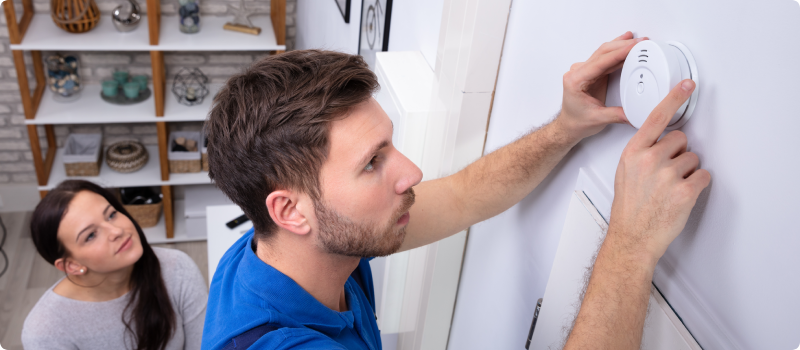
Feeling secure in your home is a priority. Here’s how your landlord should help keep you safe:
Keeping the property well lit. Entryways, doorways, hallways, and common areas should be well lit to prevent unsafe situations. If a bulb burns out, let your landlord know right away.
Providing secure door locks. Entry doors to your unit and the building should have functional locks. If a key is lost or there’s been an unauthorized entry, your landlord should change the locks.
Maintaining emergency systems. Fire alarms, smoke detectors, and emergency exits and equipment should always be in working order.
Want to be proactive about your safety? Check out these safety tips for your apartment.
Beyond ensuring the basic necessities and safety, your landlord has a few more duties to make your rental feel like home:
Keeping a quiet living environment. Your landlord should encourage a peaceful atmosphere by setting clear quiet hours and addressing noise complaints.
Being fair and honest with security deposits. In most places, your landlord must return your security deposit unless repairs are needed due to damage you caused. If any amount is withheld, you should receive a detailed explanation.
Respecting your privacy. Your landlord can’t enter your unit without proper notice, except in emergencies. Laws vary, but advance notice is typically required for repairs or showings to avoid a breach of your lease agreement.
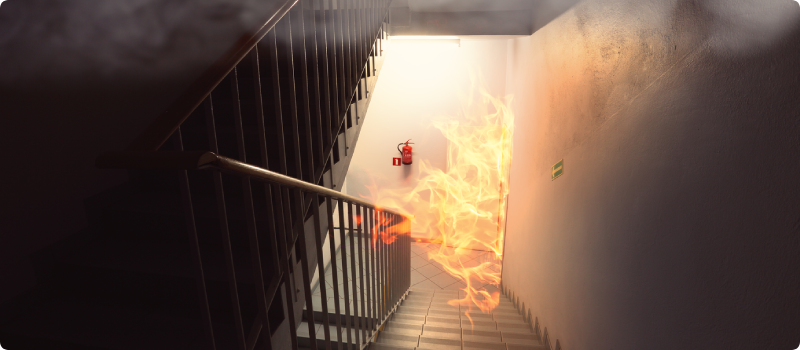
It’s helpful to know what your landlord’s insurance does — and doesn’t — cover. And it helps clarify why renters insurance is so important!
Their policy typically protects the building from things like fire or storm damage, but it doesn’t cover your personal property, such as furniture, clothing, and electronics. That’s what your renters insurance is for! If your things get damaged or stolen, your policy helps you recover.
Landlord insurance may also cover liability if you’re injured due to something like an icy walkway on the property. But, if a guest is injured inside your unit, your renters insurance usually steps in to help with related medical or legal costs.
You can do your part to protect yourself from the unexpected by exploring renters insurance today. And remember, your American Family Insurance agent is always happy to help you protect what matters most.
This article is for informational purposes only and based on information that is widely available. This information does not, and is not intended to, constitute legal or financial advice. You should contact a professional for advice specific to your situation.
This information represents only a brief description of coverages, is not part of your policy, and is not a promise or guarantee of coverage. If there is any conflict between this information and your policy, the provisions of the policy will prevail. Insurance policy terms and conditions may apply. Exclusions may apply to policies, endorsements, or riders. Coverage may vary by state and may be subject to change. Some products are not available in every state. Please read your policy and contact your agent for assistance.


